Water Crowfoot Project
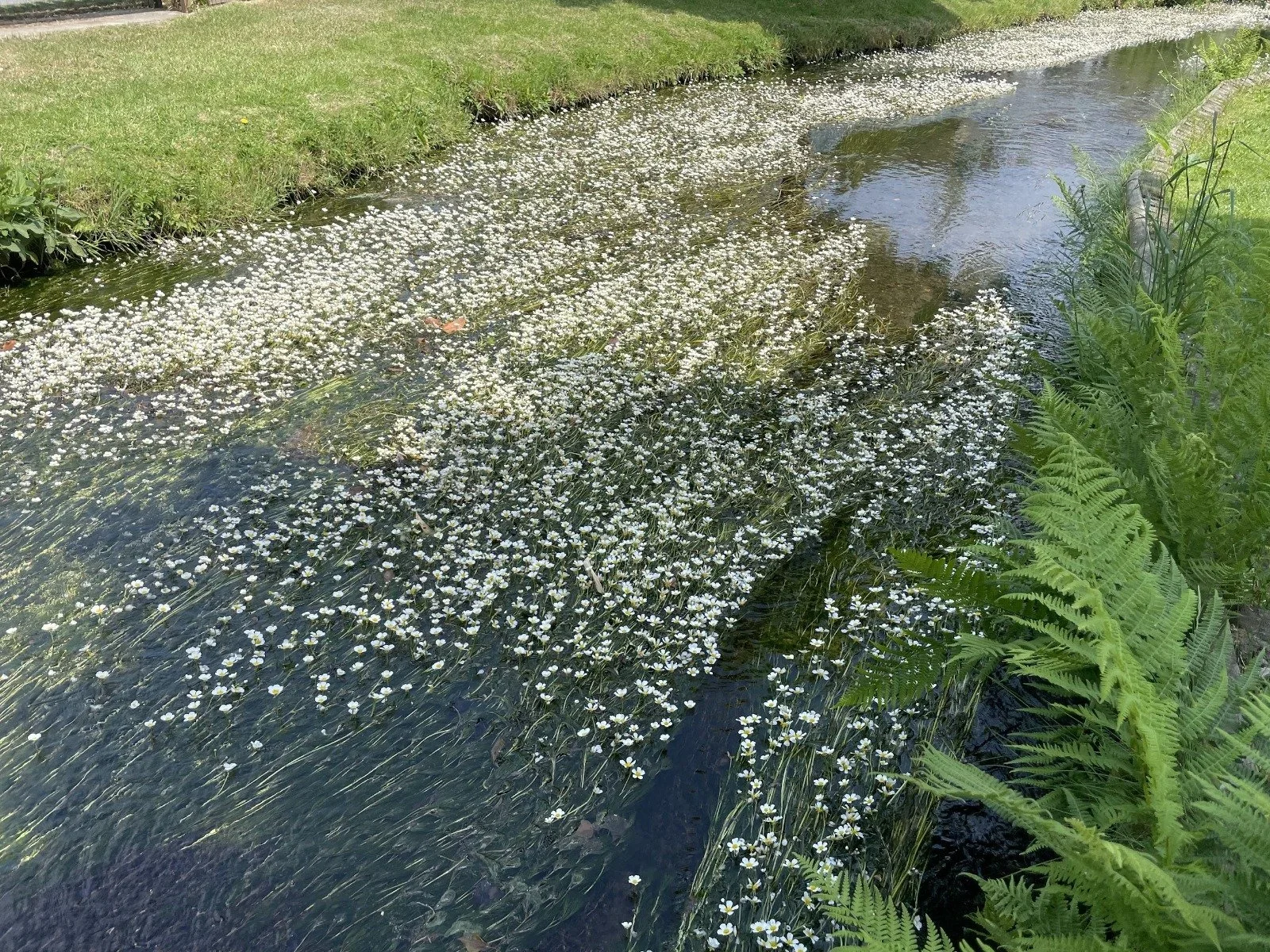
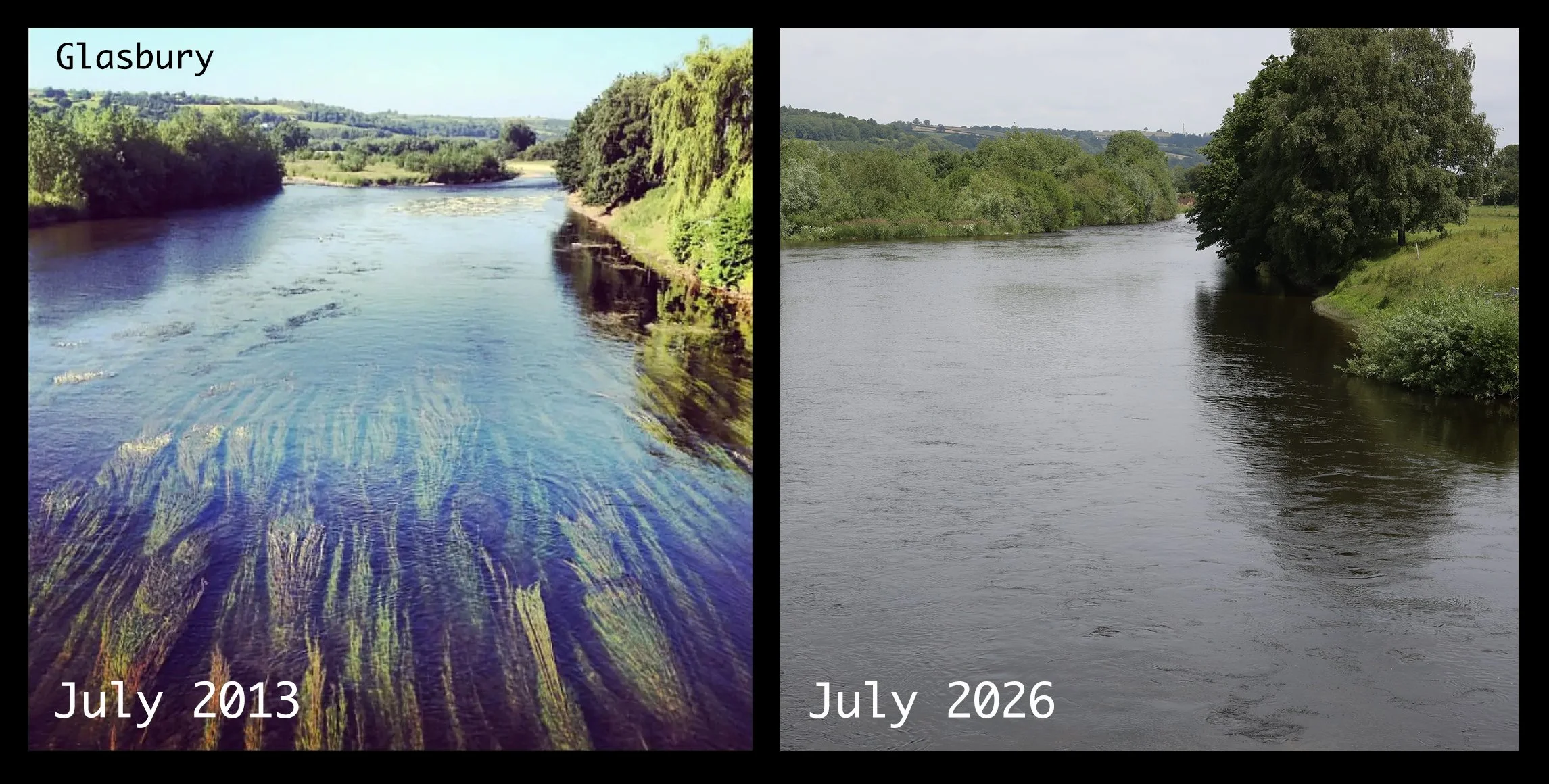
The Wye was once well known for its extensive Ranunculus beds. Standing on any bridge in summer, you'd likely be greeted by a sea of small white flowers floating on the river's surface. Known as water crowfoot, the Wye's status as a Special Area of Conservation (SAC) is largely due to the presence of this keystone species and it provides a rich habitat for many freshwater species to flourish. As any who spend time on the river will know, recently this beautiful plant has struggled to maintain itself under the pressures of pollution and a changing climate. Today such sights are rare, but we don't have the data to show just how many of the Wye's Ranunculus beds have disappeared. This is where you can help!
Friends of the River Wye (FORW) have received a £175,633 grant from the Nature Networks Fund, to work with Save the River Usk (STRU) on a project that will investigate the decline of Water Crowfoot.
The Nature Networks Fund is being delivered by the Heritage Fund, on behalf of the Welsh Government. It’s a programme that aims to strengthen the resilience of Wales' protected land and marine sites and accelerate nature’s recovery.
The demand for this project is clear and locals hope to see the return of our riverbeds to having clean pebbles, green fronds and a sea of white flowers rather than the increasingly common sight of stones carpeted in algal slime.
The loss of this iconic plant has been a key symbol of the ecological decline of these mighty rivers, yet the causes of its decline remain uncertain. It’s also not known exactly how abundant the plant once was nor precisely how much has been lost.
Experts and locals estimate we’ve lost over 90% of the water crowfoot in the River Wye over the last decade.
The Big Ranunculus Watch
Last year FORW launched the Big Ranunculus Watch, appealing to the public to share their photos of water crowfoot in the river, past and present. This initiative is building a database of historical photos, enabling the group to map the plant’s presence through time, whilst monitoring how the plant is faring now.
Contribute your recent and historic photos of Ranunculus Water Crowfoot on the Wye by clicking below:
Click below to browse the Big Ranunculus Watch dataset:

Project Aims
Now FORW, working with STRU, will build on the information being submitted to the Big Ranunculus Watch and work to gather historical photos of water crowfoot in both rivers from as many sources as possible, including official datasets, satellite imagery and ecological records.
Citizen Scientist Surveys
Citizen scientists are also being trained to survey the presence of water crowfoot in the rivers over the next three summers, starting this year (2026). These surveys will help up to quantify and analyse a range of factors potentially driving water crowfoot declines. These will be spread across the Wye and Usk catchments across Wales and England. If you are interested in taking part please register your interest by clicking below
Reproduction photography
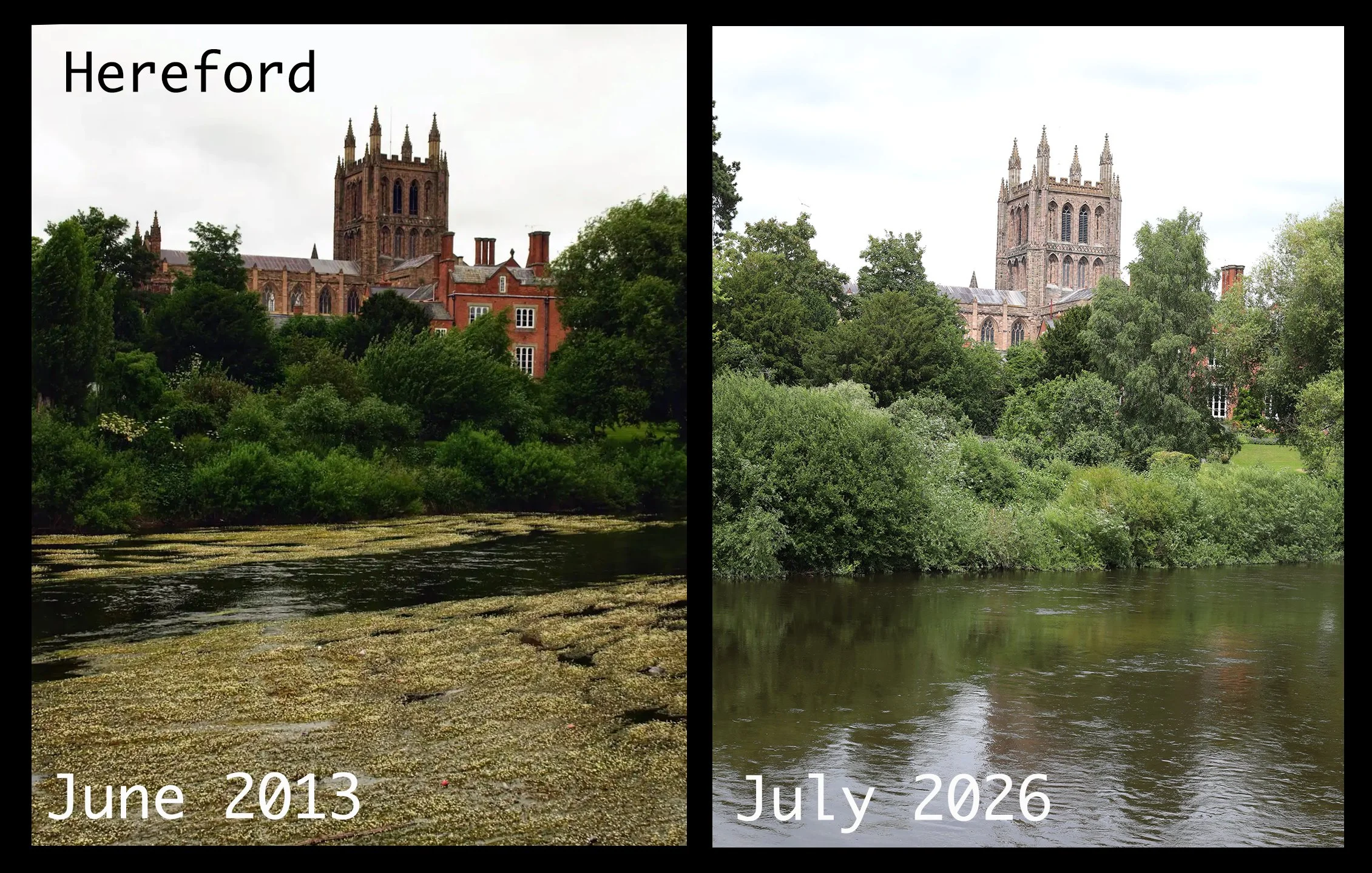
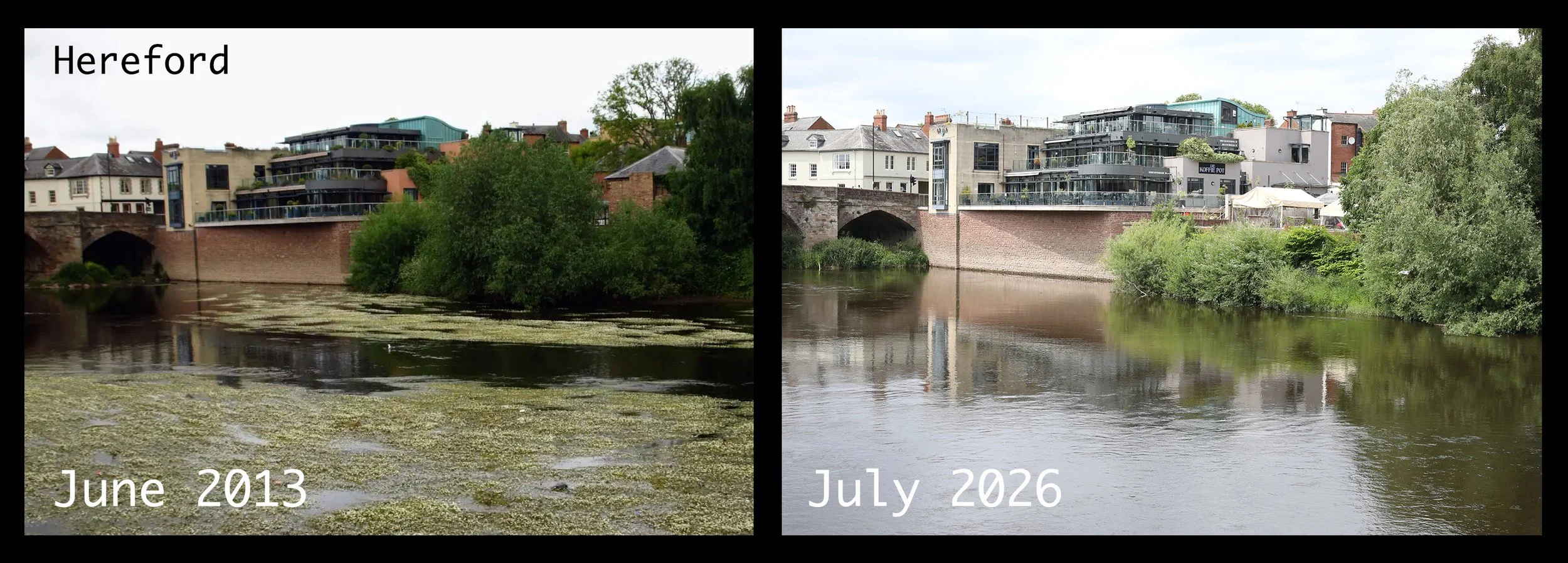
We returned to some of the locations from the BRW2025 to reproduce previous photos ranging from 2025 back to 1993. See below the drastic changes we observed.
Drone Surveys
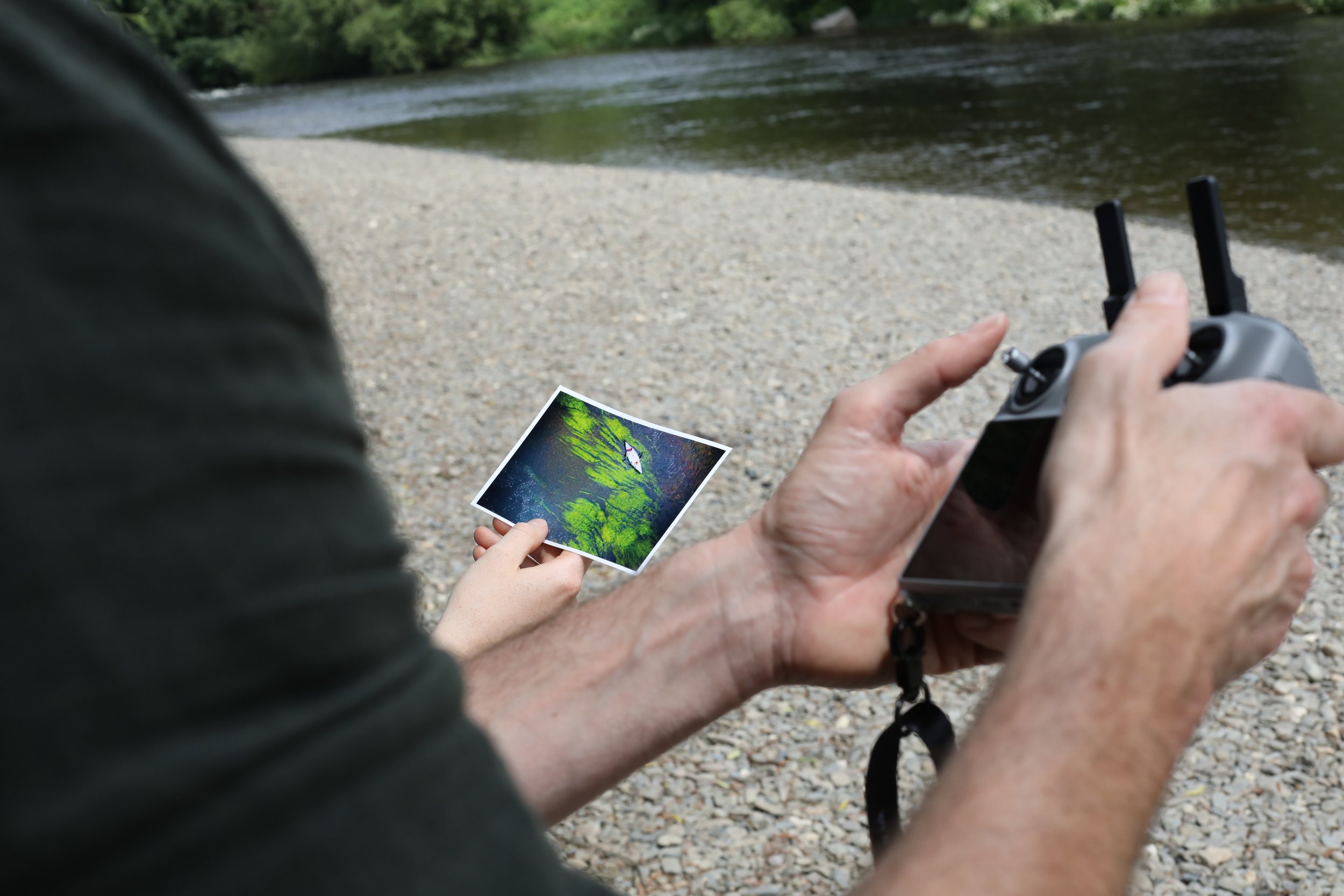
The project has commissioned drone surveys as well as using ground observations, building on the pioneering work of Dr Fleur Visser of the University of Worcester and Wye Valley National Landscapes. Natural Resources Wales will also be advising and collaborating on the project. Information will be shared publicly through an open-access archive.
Tom Tibbits, Chair of Friends of the River Wye, said “Water crowfoot used to blanket large swathes of the River Wye and it was so abundant that it seemed you could walk on water. Sadly, this precious plant has largely vanished in recent years. We want to find out what has been lost and why this has happened and explore what can be done to help this vital habitat return. We’ll bring together experts and local residents to investigate, thanks to this grant from the Nature Networks Fund. We hope this work will pave the way for restoring these plants to their former glory along these rivers”.
This project is funded by the Nature Networks Fund. It is being delivered by the Heritage Fund, on behalf of the Welsh Government.
Ariennir y prosiect yma gan y Rhaglen Rhwydweithiau Natur. Mae'n cael ei ddarparu gan y Gronfa Treftadaeth, ar ran Llywodraeth Cymru.
#NatureNetworks / #RhwydweithiauNatur