Have your say on the future of Wales’ freshwater
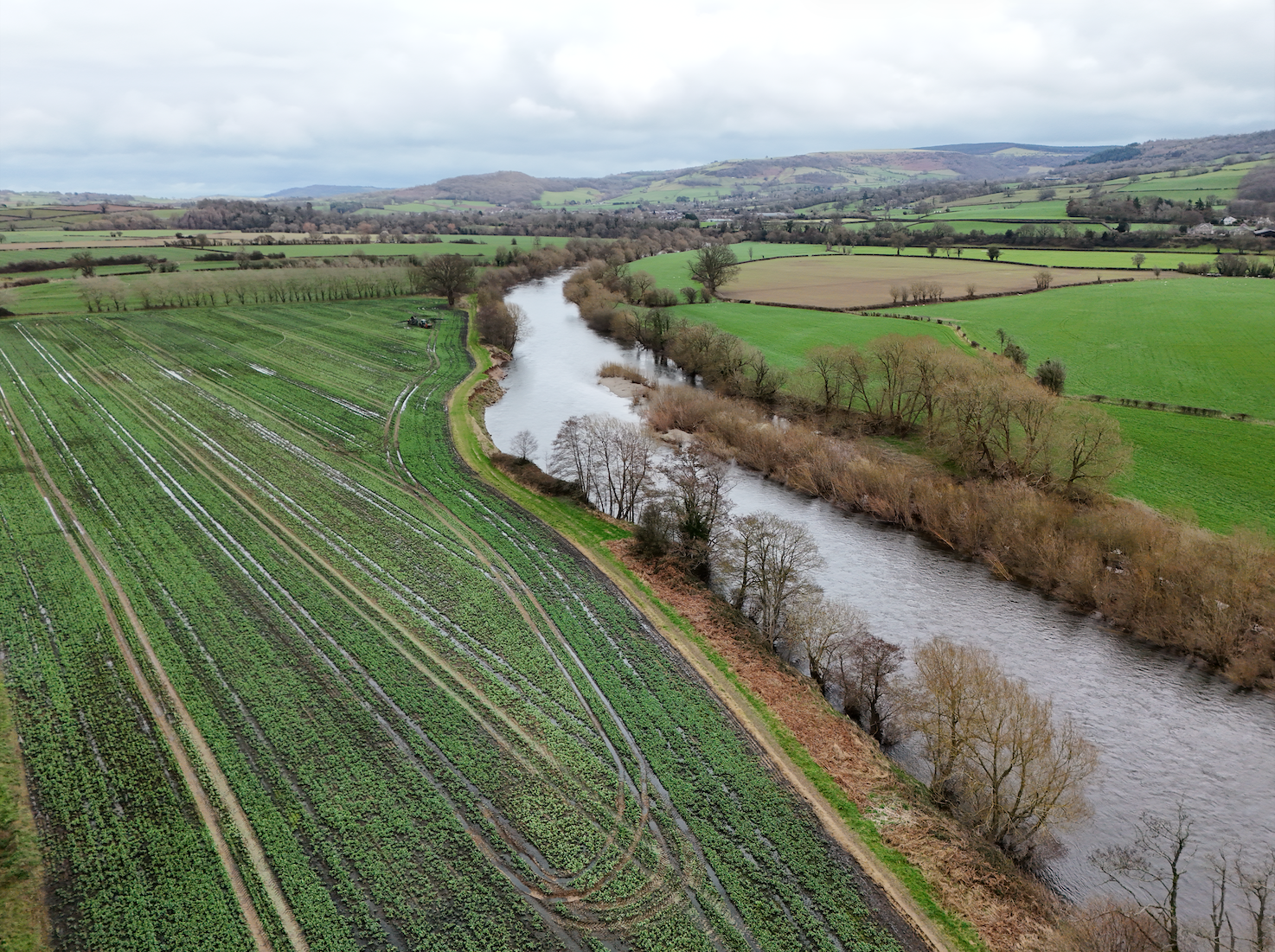
The Wye near Llowes
The Interim Environmental Protection Assessor for Wales (IEPAW) has launched a Call for Evidence to inform a report on the law relating to the quality of freshwaters in Wales:
The main purpose of this Call for Evidence is to give stakeholders the opportunity to provide evidence on agricultural pollution. We would also welcome evidence on any other aspects of our report, the main topics of which will be wastewater treatment, CSOs and sewage, implementation of the Water Framework Directive, chemical pollution, monitoring, enforcement, the role of regulators.
For the River Wye, this consultation could not be more timely. Despite decades of regulation, the river continues to suffer from agricultural and sewage pollution, declining wildlife and repeated failures to meet environmental standards.
As Friends of the River Wye we believe radical change is urgently needed:
* Enforcement of our existing laws is far too weak, with NRW generally giving advice rather than taking enforcement action against polluting activities. There is a widespread lack of compliance with agricultural rules because there is rarely any consequence for breaking them. This culture of impunity has to end. We need to see more fines and prosecutions to deter illegal practice and ensure pollution is never profitable and our rivers are properly protected.
* On the Wye, reports show that even if all farms were completely compliant with existing agricultural laws, we’d fall short of doing what’s needed to restore the river. This is simply not good enough and is why we’re calling for a Water Protection Zone to bring in special measures and for NRW to gain real powers to address diffuse agricultural pollution.
* New legislation is also needed to address long-standing gaps, including nutrient management, buffer zones, slurry storage, catchment-based nutrient limits and stronger protections for Special Areas of Conservation such as the River Wye.
* We need stronger permit conditions for Sewage Treatment Works and new legislation for “emerging pollutants” such as microplastics and PFAS – the ecological impact of which may take many years to emerge.
Whether or not you agree with our recommendations, the consultation provides an opportunity for everyone to share their own views and experiences. Responses from local residents, anglers, farmers, businesses, scientists, community groups and river users all help demonstrate the strength of public concern for the future of Welsh rivers.
Submit your comments by 27 July 2026 by emailing IEPAW@gov.wales.
Further resources:
The Legal Framework includes:
Wildlife and Countryside Act 1981
Well-being of Future Generations (Wales) Act 2015.
Environmental Permitting (England and Wales) Regulations 2016
Conservation of Habitats and Species Regulations 2017
Water Environment (Water Framework Directive) (England and Wales) Regulations 2017
The Water Resources (Control of Agricultural Pollution) (Wales) Regulations 2021
Other relevant material:
Planning Policy Wales: Guidance for national land-use and development decisions and Local Development Plans drawn up in line with Future Wales 2040 (due for 6-year revue/revision in 2026)
The Independent Water Commission’s final report (June 2025): recommendations for reform of the water sector regulatory system in England and Wales was followed by:
Welsh Green paper: Shaping the Future of Water Governance in Wales.
In composing your own response you might consider whether current laws and regulations:
Ensure we have enough statutory evidence about water quality and freshwater biodiversity?
Cover all the different pollutants which threaten freshwaters now and in the future?
Cover changes in livestock farming especially intensive livestock rearing?
Cover changes in arable farming and expansion of anaerobic digestion?
Stop soil loss into rivers?
Stop loss of wild areas and wetlands?
Are properly enforced?
and,
Is the Welsh Government allocating enough resources to water protection?
Is the Welsh Government giving enough attention to future climate change impacts on water & land-use?